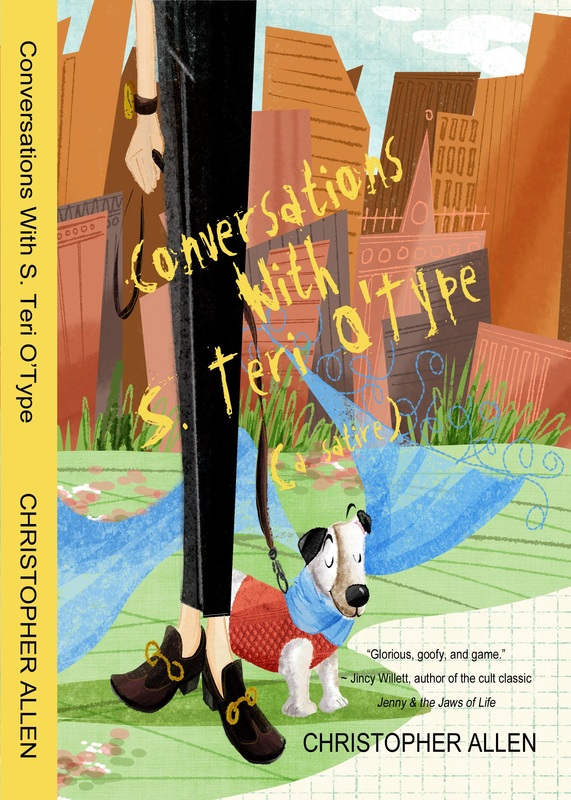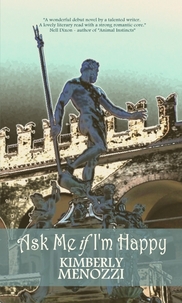
Four years ago, while I workshopped the original short-story form of Ask Me if I'm Happy on a writing site called URBIS, I read some excerpts from Christopher Allen. We got to be online friends after I rated the excerpts and shared my thoughts on them, and soon we were chatting about things other than books or writing. I thought he was funny and definitely talented - ask other folks, they'll tell you the same! - and I expected to see more of his URBIS project soon.

Well, it took a little longer than expected - these things often do - but now the big day has come! So please, allow me to share with you:

Thursday Thirteen: 
13 Questions for Christopher Allen!
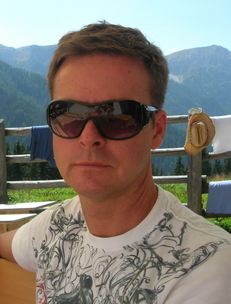
1) What one thing would you want readers to know about you?

That I mean them no harm. I want them to laugh until their bellies jiggle. I want their tear ducts to be cleansed through uproarious giggling fits.

2) Is there a genre you'd like to write in, but haven't tried? If so, why not?

I’ve written in just about every genre out there except western. Is that still what they call it? I remember reading several western mysteries as a teenager, and I liked them very much. I wouldn’t want to write a western, though. Although I have dabbled in science fiction, I’ve never finished a story. Definitely science fiction. Something like Stargate. Big fan.

3) Your previous stories have often had a contemplative or bittersweet quality to them. The new book seems to be a departure from that. Was there a reason for this?

I think contemplative and crazy are just two parts of me that come out at different times. Conversations with S. Teri O’Type has been a wild book to write, and I hope it will be just as wild to read. It’s humor and parody and most of all satire. Nothing here is serious except everything.

4) How much of your real life informs your writing?

My inner life—my worries and my dreams—informs my writing a great deal, but if you mean my day-to-day life of teaching and mowing the lawn and making dinner, etc. I try to keep that separate. There are times that certain situations will spark an idea for a story. The oak in the backyard keeps giving me stories. Then the hedge gave me one. I should spend more time out there.

5) Where have you been published previously?

Most of my work has been published at literary ezines, most recently at SmokeLong Quarterly. Others include A-Minor Magazine, Blue Five Notebook Series, Gone Lawn, Referential Magazine, Every Day Fiction, The Legendary, Pure Slush and Metazen (where I’m an editor). I’ve had non-fiction published at Connotation Press and BootsnAll Travel, and several of my creative non-fiction pieces have appeared in Chicken Soup for the Soul (print, mass market). I’ve also been very fortunate to have landed in cool short story/flash collections like Flash Fiction Fridays and STRIPPED, a collection of anonymous flash fiction.

6) You live in Europe but you're from the US. Does being an expat affect your writing style?

It certainly does, I’m just not sure how. I wish I could go back and forth between parallel universes and see Christopher Allen in Nashville vs. Christopher Allen in Munich. I’m sure I’ve become a different person, so of course my writing style has developed differently. Maybe this is the science fiction novel I’ll end up writing. Or not. I am certainly more secluded her than I would have been if I’d stayed in Nashville. Seclusion is good for writing.

7) What is your typical writing workday like?

I wake up at around 6a.m. I used to get up at 5a.m. but I’ve trained my body to lie there and suck it up for another hour. I turn on my computer and let the old bag boot while I make coffee. I check my e-mails, I check facebook, I check my blog, I sip my coffee, I check Twitter. I chat with people in the US who’ve not gone to bed yet. I sip my coffee. I notice the piles of reminders on my desk. Here are the ones I’m looking at today. March AWP! Indie Author News! Check SmokeLong! Message classes about tomorrow!! Gay Book Club NYC!!! Edit “Furniture”! My notes tend to scream at me. I start checking off the things on the list, which is much longer than this. I haven’t listed the names of people I’m working with on interviews and such. I take a nap because my shoulder is hurting. You get the picture. I should be writing, but I’ve just come back from vacuuming the kitchen.

8) Which writers have influenced/inspired you?

I love writers like Chuck Palahnuik and Daniel Handler and Lucy Ellmann and Julie Innis. One of my favorite writers is Jincy Willett. I love all these people for their sharp wit and exciting prose. I want to be all of them when I get taller. I’ve never lost hope.

9) Do you have a "target audience"?

All people on planet Earth would be nice. Doing the math, I think that would make me the richest man on planet Earth. But let’s say that doesn’t happen. I would hope that people—not just gay men—who love humor and stories that break away from the mold just a bit would love, or at least read, or at least buy, Conversations with S. Teri O’Type. The cover is very pretty, so it would look great on coffeetables and bathroom shelves. It is a story about a man in his mid-forties who has never learned how to be gay, so . . . um . . . I see this is the next question. Moving right along . . .

10) What is this book about?

So Curt, a dysfagtional man in his mid-forties, enlists the help of a self-proclaimed “gayru” to help him get gay. It’s a farcical jaunt down the Road to Greater Gayness, an absurd tale, a train wreck of sorts between a guy who thinks he knows nothing and a monster who thinks he knows everything.  

11) When did you first get the idea for this particular book?

I wrote the first Conversation on an online workshop in 2008 I believe. Fifteen of the 30 Conversations were born in the online workshop, but the story actually took shape much later. It has been a long process. Deciding what Curt, the narrator, really wants came much later than 2008.

12) Was this book inspired by anyone in your life?

It’s funny you ask that. My partner, who read half of the book on a plane last week, thinks he’s Curt. And maybe there are aspects of Curt in him. I remember once when we were living in London in 1998, he hung all the pictures in the living room very very close to the ceiling. I was shocked, and we had a “little” argument about it. Everyone knows pictures are supposed to be hung at eye-level, don’t they? This may have been the first time I thought, Hmmm not all gay men can hang a picture. And this might have been the germ for the book. Other than that one moment, Teri and Curt represent an elephant-in-the-room dialogic among gay men: To Be or Not to Beyoncè—which became one of the later Conversations.

13) You really are adorable, aren't you?  (readers of Christopher's I Must Be Off blog will get that one...)

Yes! I really really am adorable. It’s true. Some people don’t believe it, but when they meet me in person, they often pinch my fat little cheeks. Just don’t shove past me in a bar. 

If you'd like to purchase Christopher's book, click on the cover above or go to any Amazon site, worldwide!
Christopher Allen is the author of the adult cartoon satire Conversations with S. Teri O'Type. In 2011, Allen was a finalist at Glimmer Train and a Pushcart Prize nominee. He blogs at www.imustbeoff.com.
 
 
Dead Men by Richard Pierce

book jacket blurb:

"Birdie Bowers is a woman with a dead man s name. Her parents had been fascinated by Henry Birdie Bowers, one of Captain Scott s companions on his ill-fated polar expedition. A hundred years after the death of Bowers and Scott, she sets out to discover what really happened to them...

The discovery of Captain Scott s body in the Antarctic in November 1912 started a global obsession with him as a man and an explorer. But one mystery remains – why did he and his companions spend their last ten days in a tent only 11 miles from the safety of a depot that promised food and shelter?

Dead Men tells the story of two paths. One is a tragic journey of exploration on the world s coldest continent, the other charts a present-day relationship and the redemptive power of love."

                                                              ***

I pre-ordered Dead Men back in February when Richard Pierce first shared news of the book's imminent release. Richard is a friend of mine since our Authonomy days, and I was thrilled that one of his books was finally going to be released. Needless to say, I looked forward to being able to sit back with my own copy of his Antarctic-set work and read it at my leisure at long last.

The only problem with reading something written by a friend is that it can be hard to separate the friendship from the reading itself. It's only natural – and human, I suspect – to give a bit of leeway to a writer you know personally. As a writer myself, it's a concern I have when my writer friends read and review my work, or when I in turn read and/or review theirs. I do my best to keep my reading objective and unbiased, and sometimes that's quite a struggle to do.

However, with Dead Men, this wasn't a problem at all. From the very first pages I was swept up into the story, and found myself moved to tears before I'd gotten through the first chapter.

The novel alternates between scenes from the past which detail events during Captain Scott's expedition in 1912 and the aftermath of its sobering end, and scenes set in the modern day which tell the story of a pair of seemingly mis-matched lovers who meet by chance on the London Underground.

The surest proof I was involved in the story (aside from my emotional reaction to how Pierce details the passing of the men at various points in the book) was the fact I wasn't sure how to feel about Birdie Bowers, the woman with the dead man's name. Her often careless and contrary – almost spiteful – nature bothered me at first. Perhaps this was because I'd already found myself identifying with Adam Caird and feared that this bothersome woman would hurt him in spite of his consuming devotion to her. His tender, sensitive nature made me afraid that no good end could possibly come from this pairing.

In time, I realized that Birdie – obsessed with understanding the circumstances in which her namesake perished alongside Captain Scott – was merely a reflection of that obsession. In fact, over the course of her life, she has come to resemble the land where he died – unpredictable, harsh and hauntingly beautiful, and utterly compelling for those same reasons.

Watching Adam change and grow through the story was also heartening. It's done subtly, not overtly, and with a natural grace, like all of Pierce's writing. Initially timid and introverted, the challenge of loving tempestuous Birdie – and understanding whether or not the effort is worth anything in the long run – forces him to make decisions which lead him to a greater inner strength. This becomes most clear when the pair make their own journey to Antarctica in search of the truth Birdie believes Scott's tent (now buried beneath 100 years of snow and ice) contains.

Pierce describes Antarctica itself in a beautifully detailed but not overwhelming way. He has travelled there himself and it shows. He is able to paint the landscape so the reader has the feeling of the stark beauty and the deceptive dimensions of the place. In fact, just about every setting is described with a precision and skill which places the reader there, in the moment, so when one closes this book after reading the final pages (and that oh-so-perfect final paragraph), one comes away with a sense of having been there.

There are elements of the story which lean toward the supernatural, but all of them are events which are subtle and believable. It's a fine balance which Pierce handles deftly; he never overdoes these moments, but instead conveys them in a powerfully understated manner which borders on being poetic.

If the reader is like me, they will also come away from this book with a sense of satisfaction and melancholy for a number of reasons. For me, my reasons included: having finished the book too soon; Birdie and Adam's final decisions; the appreciation of what those brave and foolhardy Dead Men did, not so very long ago, and why they did it; and then, finally, a sense of gratitude for Richard Pierce having shared this story with us.


I highly recommend this book.

Dead Men is available in paperback and ebook from Amazon.co.uk, for pre-order in hardcover and ebook from Amazon.com, and can be pre-ordered in hardcover through Amazon worldwide.


_ Davide

One of the most surprising aspects of writing Ask Me if I'm Happy had to be the way Davide was received by the first folks to read the story. From its earliest days, men and women alike singled Davide out:

"Davide is a knight in shining armor that we all pray for to come save us."

"This Davide fella gets more attractive by the word."

The story was reworked considerably before it appeared on Authonomy, but I was confident it would – for the most part, anyway – pass muster. Again, to my surprise, people still seemed to notice Davide more than I expected:

"This man could seduce an iceberg! I'm half in love with him myself."

"Davide sounds so dreamy - good looking, sophisticated, cultured, kind, and a professor of literature - what girl wouldn't fall for him?"

"… Davide is lovely and one wants to spend time in his company."

I became concerned. Had I written someone too perfect? Had I written someone who couldn't possibly exist in the real world?

This proved rather troubling, as my intention had been to write a story which was, ultimately, very realistic. I wanted both Emily and Davide to strike home for the reader, to be people with whom the reader could identify – not in a fantastic manner, but in recognizing something of themselves as they read along.

I forged forward and the story grew and grew, giving me deeper insight into Davide's mind, his motivations and even his past. Based on "Connections" alone, it's clear he's not the "typical" Italian male. He's studious, perhaps slightly nerdy, honest and conscientious almost to a fault – not the self-involved, vainglorious and self-assured sort of man we're accustomed to imagining as the classic "Italian love interest".

No, Davide is no Casanova, no Valentino, no love-'em-and-leave-'em sort of guy. However, when the moment presents itself, he knows when to step in, when to seize the opportunity to declare himself and his intentions. When he does, he does so with all the fear and trepidation most of us would surely feel for taking such a chance.

In short, Davide is simply himself. A man who doesn't bow to the caprices of fashion and who quietly despairs for a world around him which seems to do just that; who struggles to maintain a standard of civility and propriety which he sees slipping to the wayside; who worships the woman he loves because he isn't able to see her flaws – however many there may be – and can only see her perfection magnified by his love.

Tragically, this may well be his most self-destructive aspect. Davide believes himself to be honest in all things yet his mistrust of anyone's ability to love him, or to be as honest with him as he is with them, keeps the world safely at arm's length. This, combined with his need to protect Emily, is his blessing and his curse. The very things which bring them together are what might well break them apart.

Not long ago, a friend read through Ask Me if I'm Happy and cited Davide's self-imposed isolation, his rejection of societal trends, his need for a deep emotional connection with someone – anyone – as proof that he is a man "out of his time". His initial perfection – as seen through Emily's eyes – gives way to his own view of his imperfection. His self-critical nature stifles his ability to be honest with himself – and thus, with Emily – in the way he knows he needs to be. Of course, this leads to trouble. Just like in real life.

Now, when I hear people telling me how much they admire Davide, how attractive and romantic he is to them, I have a better understanding of why that is. It is my belief that these readers, male and female alike, really do identify with him and with his struggles throughout the novel. They see themselves or their loved ones – or both – in him, and that spurs their desire to see him succeed, to work out his problems and emerge victorious on the other side of the struggle.

Whether or not he does this, I won't say here. You'll just have to read the book to find out.


_ Emily

Being one of those writers from the "my characters tell me what happens" school, I'm endlessly surprised by the things I learn about my characters while I write the story. In this regard, they really do feel like friends I'm spending time with, getting to know them over time. Sometimes, the surprises are astounding.

Emily had a lot of those surprises in store for me from the start. When I first wrote the short story which became Ask Me if I'm Happy, I confess she wasn't terribly well-formed in my own mind. Over time, she shaped up on the page, but initially all I knew about her was that she was leaving Italy after a fair amount of time there, and she spoke Italian better than I did. I didn't know whether she was married, divorced or widowed. I didn't know precisely how old she was. I didn't really know for sure what she looked like, either.

Soon enough I understood she was nervous, and scared. She was frustrated at the obstacles keeping her in Italy. She prized honesty because she'd been lied to in previous relationships. Her attraction to Davide was natural and unhurried, and it was part of her becoming honest with herself once more.

The story expanded and went deeper into her head. I found she was prone to self-doubt – well, who isn't? – and that she struggled to move forward from her own past mistakes. I learned that she'd been alone for a long time, and she'd practically been abandoned to her despair to see her worst fears come true. I also found she was stubborn and bullheaded, usually at the worst possible times.

When she described herself in the story, it wasn't Emily who provided the words. Instead, it was the voice of Jacopo, her ex, who spoke – and he didn't speak kindly. He described Emily as mousy and dumpy – words which, ironically, weren't in his English lexicon until he met her. He even used the phrase thirty-four-year-old-woman as though this were some sort of insult.

My heart ached for her. I tried to determine what exactly had happened to Emily which sent her on this downward trajectory. Why was she so vulnerable? How was she so easily manipulated? Why did Jacopo choose Emily if he would be so unhappy with a woman like her?

It came to me in a rush, while discussing the plot's possibilities with a friend of mine while we walked through the city center. In the middle of a piazza not unlike the ones she would walk with Davide, I understood the source of Emily's pain: it was all I could do not to start crying on the spot. For a moment, it was as though Emily stood there with me, her head bowed so I couldn't see her face, waiting for me to give voice to her pain.

The linchpin to the story was given to me just like that. When I got home, I sat at my writing desk and cried while I made my notes and typed them out. It really was like having a friend tell me a devastating secret she'd held back from telling, out of fear of being judged.

For all her quiet, mousy tendencies, Emily was no blushing innocent nor was she brazen and careless with her affections. She'd been devastated by her father's death when she was a teenager, and she'd acted out, as teenagers do. Her mother, who was always distant, became more so in spite of the fact that she was all Emily had, and her daughter was all she had. So, Emily sought affection wherever she could find it, and it cost her dearly.

Writing all of this was difficult for me, but with every revelation, Emily became more real, and more realistic. She wasn't at all perfect. She had her flaws, and with each choice she made, with each tough path she chose, I found myself rooting for her.

Of course I hope that anyone who reads Ask Me if I'm Happy will feel the same way. I will always hope that my efforts to put Emily's (and Davide's) story on the page will be as moving an experience to read as it was for me to write. My constant refrain, as always, is "Time will tell" – because it always does.

And what we hear in the meantime is often quite surprising.


_"Felicità
improvvisa vertigine
illusione ottica
occasione da prendere…


… E infatti, infatti non dimentico
la mia fotografia
e l'amore se non ce l'ho.
Ripeterei tutto quello che è passato
comprese le tue bugie
perché le scoprirei molto prima e senza aiuto."


"Happiness,
Sudden dizziness
Optical illusion
(An) opportunity to take…

… And indeed, in fact I don't forget
my photograph
and love, if I don't have it (with me).
I would repeat all that has passed
including your lies
because I'd discover them much earlier and without help."


-        From "Chiedimi se Sono Felice (Ask Me if I'm Happy)" by Samuele Bersani (translation mine)

One of the first things people living outside Italy often say to me about Ask Me if I'm Happy is "I love the title!" Every time they do, I have to smile. I'm pleased they like the optimistic sound of it. I'm glad they'll likely remember it – or, hopefully, they'll remember something close enough for a bookseller to find it for them! And of course, I'm glad it sounds unique enough for them to comment on it in the first place.

Here in Italy, that's not the case. Here, my students and co-workers at the language school, my friends and acquaintances, have all asked me the same question: "You know that's the title of an Aldo, Giovanni and Giacomo movie (Chiedimi se Sono Felice), right?" And I have to laugh, and nod, and say "Yes, yes; I know. It's a favorite of mine." For, you see, this title had a life before my novel. I confess – much like Jackson Browne lifted "Tender is the Night" for his personal use, just as Kate Bush appropriated "Wuthering Heights" for her own haunting tune, I too have nicked this title from another source. Or rather, two.

I've quoted a few lines from the song at the start of this blog to show I'm aware of it. More to the point: I was inspired by the song. This story has nothing to do with the film in any way, but the song (which, incidentally, was featured in the film) has strong similarities. At least, it does on the surface.

I'd listened to this song many times, but I didn't think I had really taken it to heart until I had finished writing the first drafts and needed a title for what was – at the time – a novel consisting of four novellas. A couple of lines suddenly stood out to me, and I looked up the lyrics online to be sure I was hearing them correctly. With my novel in mind, these lines (among others in the song) took on a new meaning for me and were an almost perfect fit, considering the storyline. When I said to my husband that I thought it would be a good title for my story, he thought about it and eventually agreed.

So I went forward, aware that readers would bring this up if they knew about the film or the song. The title stuck, becoming known as Ask Me... in its abbreviated version. One of my students teased me, saying if the book should be translated into Italian, at least we'd already know the title.

The thing is, should I be so lucky that this book should merit an Italian translation, I doubt it'll take back the moniker of Chiedimi se Sono Felice. The fact is, most books and films translated from English to Italian rarely get direct translations of their titles. Common practice is to give it a new title – sometimes relevant, sometimes obscure – which seems to work better in Italian. I'm ready for them, though. I've already got an Italian title in mind, and it works on several levels, including English.

The best part? It was the title of the story when it appeared on the URBIS and Authonomy writing sites, where it first caught the eyes of those who would go on to support my work today. At that time, the story was called "Connections" and was a play on words, meaning travel connections, personal connections and the circumstances which connected Emily and Davide. And what is one translation of "Connections" in Italian?

Coincidenze: Coincidences.

So I invite you to go ahead, because I know you're dying to:

Ask me if I'm happy.


Well, now I'm getting back to serious work on my WiP, I thought I'd share some of the visual shorthand I've been using while creating it. So please, allow me to present to you:

Thirteen Characters from
27 Stages

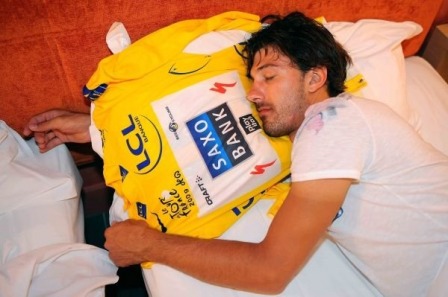
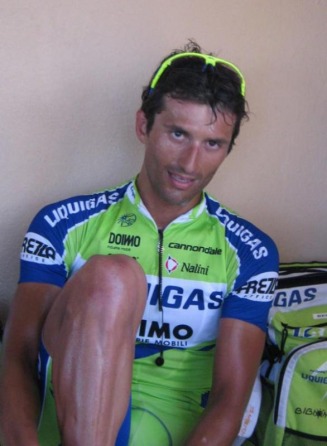
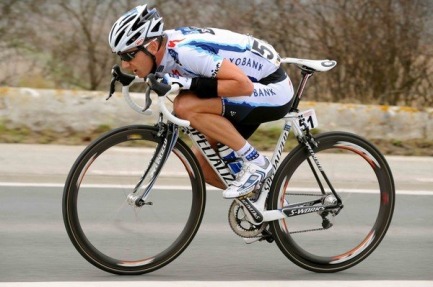
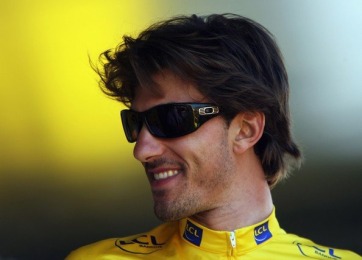
1) Federico "Ciccio" Renard - cyclist (AltaVeloCidad).

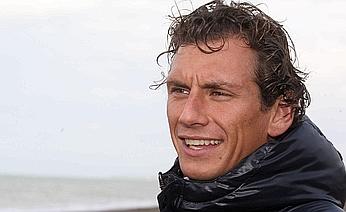
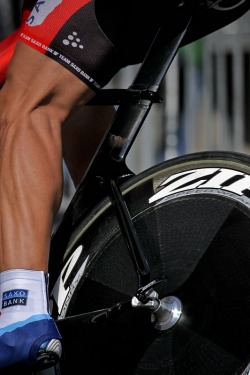
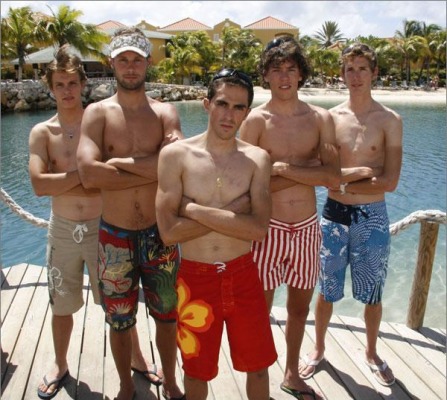
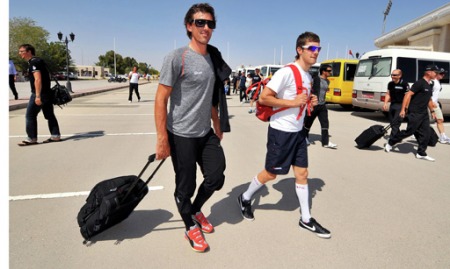
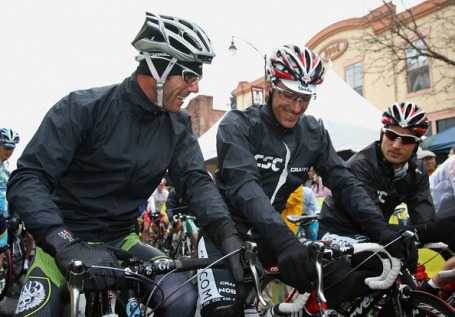
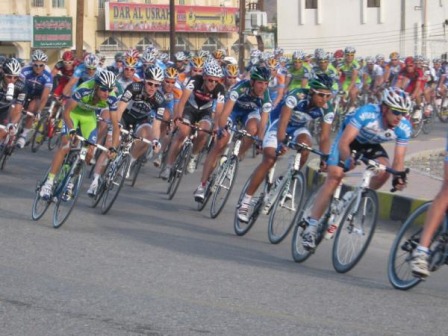
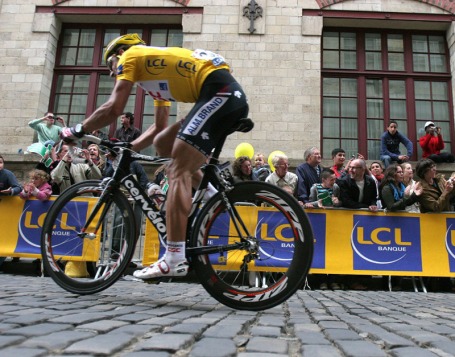
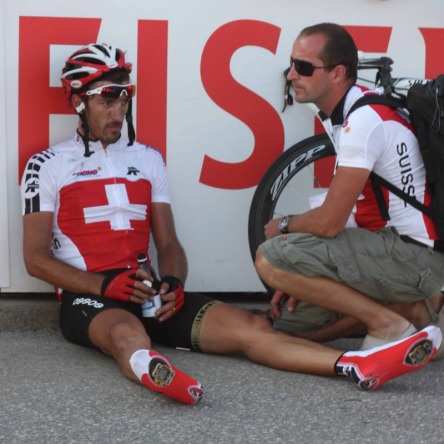
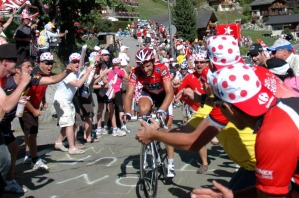
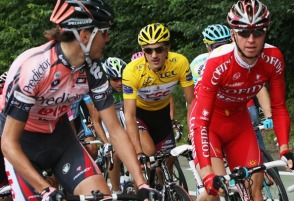
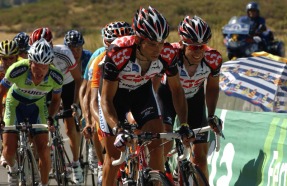
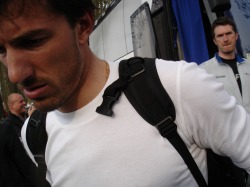
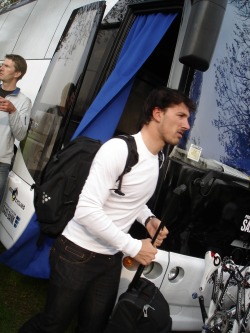
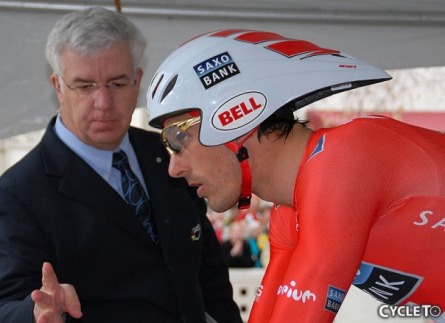
Although he's half-French and half-Italian, the inspiration for Federico comes from both a Swiss rider and an Italian rider, who happen to be two of my favorites: Fabian Cancellara and Daniele Bennati.

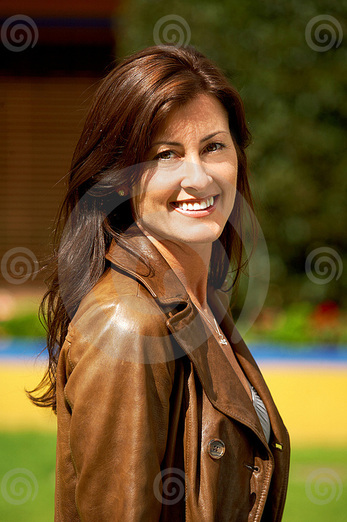
2) Abigail McGann-White - amateur photographer.

Abigail is another character with a split nationality.
Her father is American, her mother is British. Born in the US, she's lived in England with her mother since she was seventeen. Now forty years old, Abigail is dealing with a number of issues of identity and working to determine what she wants from her life. My visual inspiration for her is harder to pin down, but this stock image made a good starting point:
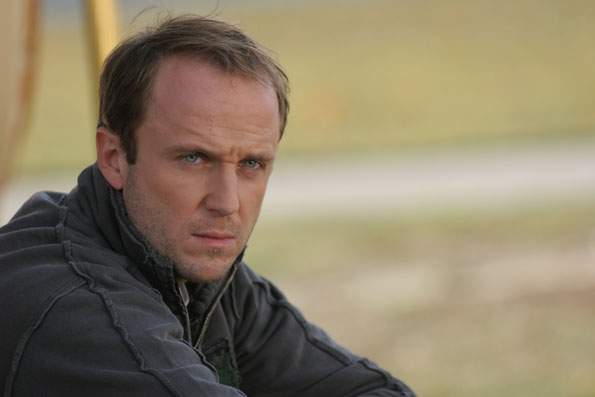
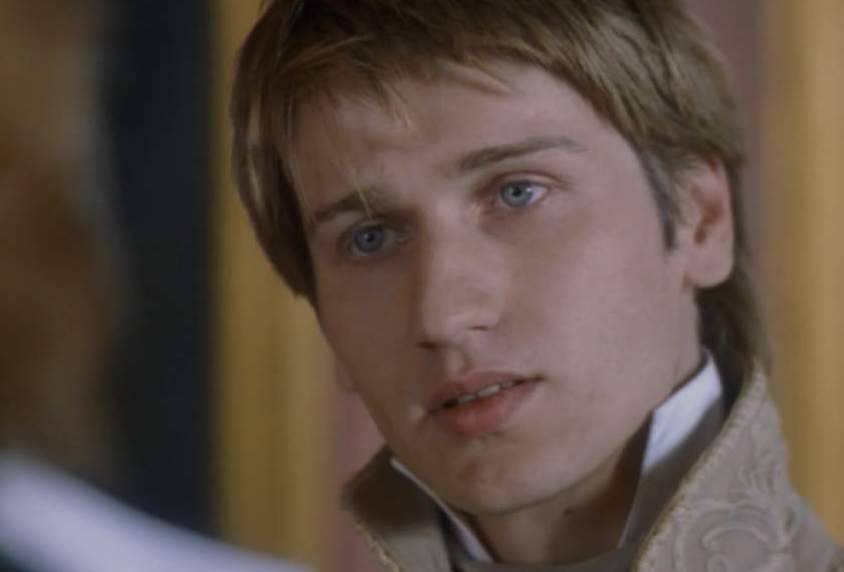
3) Jerzy Jankowski - lead directeur sportif/team manager/Svengali for team Alta VeloCidad. This was another instance where I saw a photo by chance and thought: That's the look, right there. Of course, Polish actor Łukasz Simlat is much, much younger than Jerzy, but the photo below shows some of the intensity I picture every time I write about the team's boss.
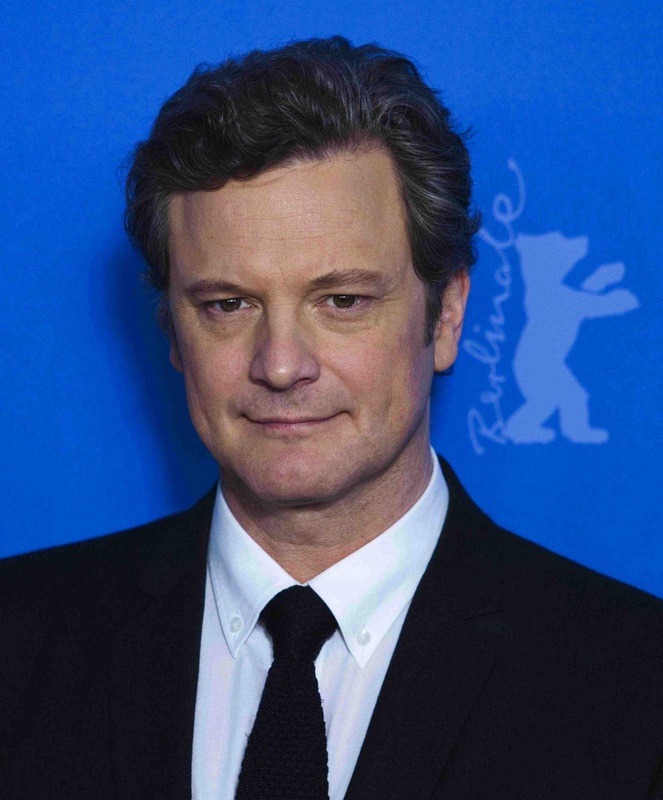
4) Charles White - Abigail's husband, a barrister in the UK. I'm sure quite a few readers, should they see this, will be rather displeased with me. LOL! But I thought Colin Firth was a perfect model to build Charles on - particularly since he has that "proper" air about him at times, but could also have a slightly "deviant" side, too, as Charles does.
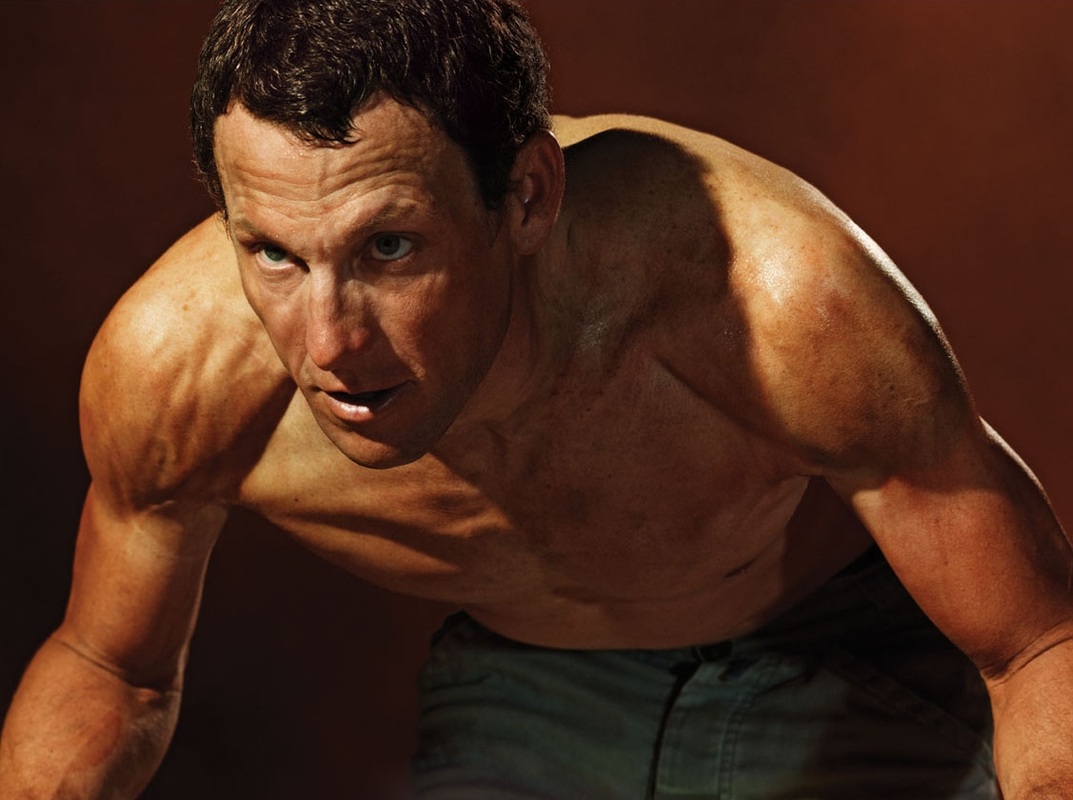
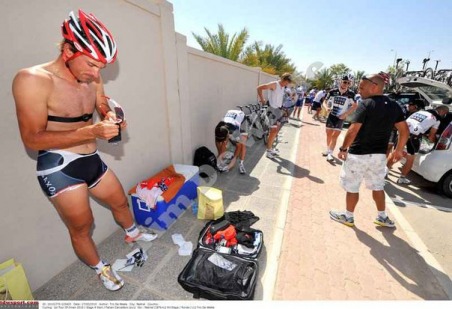
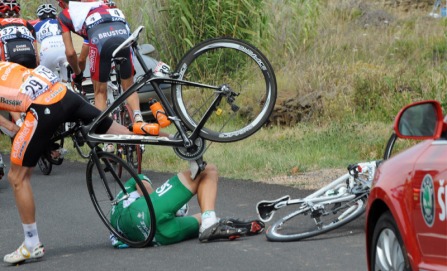
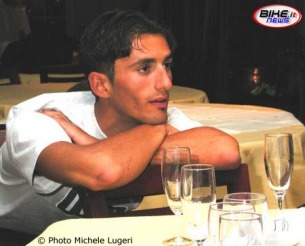
5) Heinrich Brunn - cyclist (AltaVeloCidad). Brunn, a German cyclist, was much harder to pin down. I had more of an "archetype" in mind when he started taking shape, but there was one cyclist in particular he seemed to resemble - at least, physically. No matter, this is fiction after all.
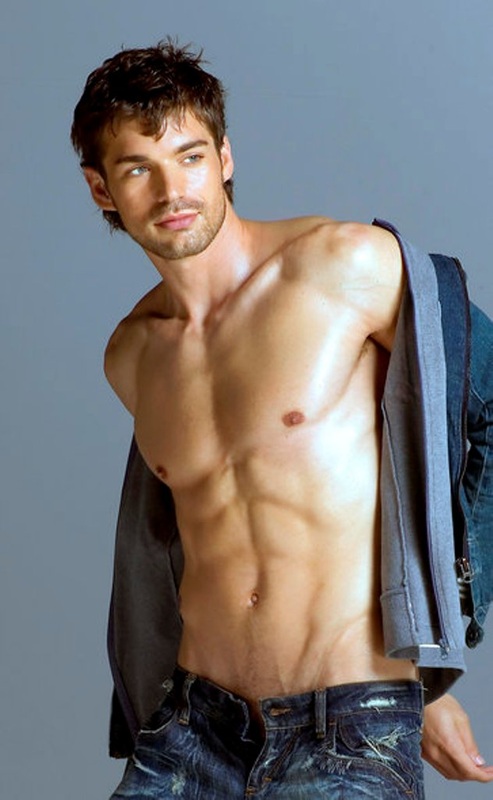
6) Romuald "Robaczku" Brodowski - cyclist (AltaVeloCidad). When I saw this photo of French actor Stanislas Merhar, I knew I'd found my Rom.
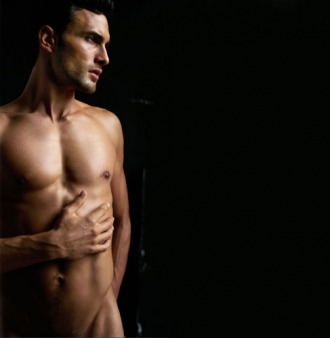
7) Adrie "Major" Meijer - cyclist. Athough he's a different type of rider, and a different nationality, Italian Filippo Pozzato (to my everlasting chagrin) has similar physical attributes to Austrian super-domestique Adrie. Temperamentally, however, I don't think they could be farther apart. LOL!
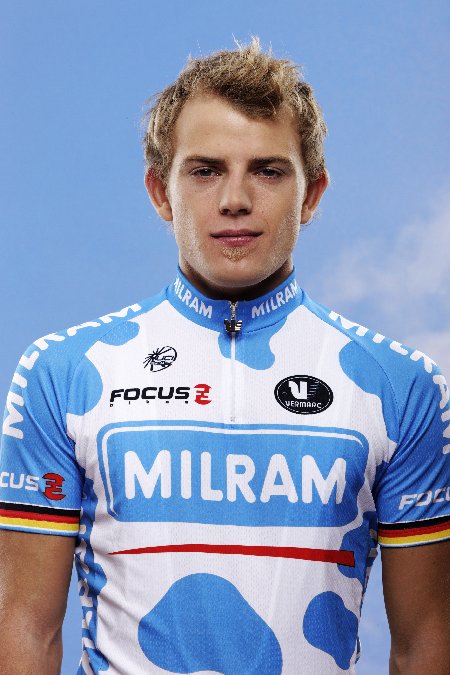
8) Jurgen Schlessinger - cyclist (Maxxout). This character is probably Federico's strongest competitor in the sport, and still he is someone I have a lot of sympathy for. In my mind, he's the also-ran always struggling in Federico's wake, a sort of Salieri to Federico's Mozart, if you will. (I'm seriously considering a short story from his POV, too.) He's played in my mind by Gerald Ciolek.
9) Solange Melo - model, former "podium girl", Federico's fiancée. I don't know the name of the girl in the photo, here, but she's a podium girl for the Tour de France. Solange is a model just starting to make waves, but her ambition proves to be a bit too much for Federico's taste.
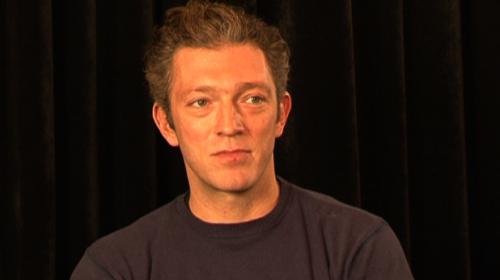
10) Pascal Savreux - professional photographer, French, an acquaintance of Abigail's. From the start, I've had in mind a Vincent Cassel-type, just a little rounder and a little softer 'round the edges. The fact he's closer to Abigail's age makes him an appealing potential disruption to her plans.
11) Alvaro and Teodoro Mendoza - twin brothers, Spanish, cyclists (AltaVeloCidad).
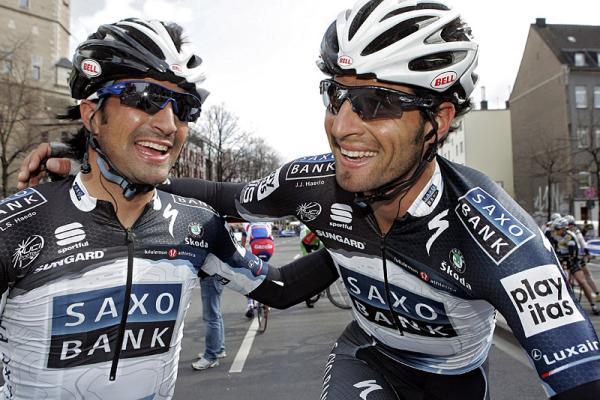
Almost in spite of myself, I wound up picturing the Haedo brothers (Sebastian and J.J.) when I wrote these characters, even though they aren't twins (thank goodness). There are loads of brother acts in cycling, though.
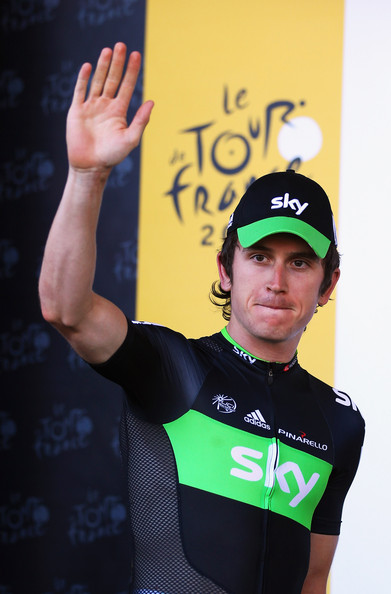
12) Philip Mason - cyclist (AltaVeloCidad). Welshman Geraint Thomas is a good fit for Philip, a British rider with a bizarre sense of humor, which is shared with his roommate, James.
13) James Bradford - cyclist (AltaVeloCidad). Alex Dowsett was another rider who came to mind when writing many of the scenes when the riders are off the road. There's just something about his facial expressions which came to mind during James' and Philip's cutting up at various points in the story.


And there you have 13 Characters from 27 Stages - my current Work in Progress.


I think you might agree there's a little something for everyone in this story, eh?


And if not, well, c'est la vie!


At any rate, I hope to include something that'll please a few of my regulars.


After all...


I'm a giver!

Picture
Mathis Streitwieser
Ciao for now!
 
 
There are people who are surprised by how much attention I'm currently giving to details in my WiP, 27 Stages. I am teased on a regular basis about the research I'm doing (real and fanciful), because I clearly enjoy cycling so much.

Well, there are many reasons I'm putting so much time and effort into this project. Not only is cycling a passion of mine (at least, as a spectator), not only do I want to write the best possible story I can and not only do I want people to read this and really and truly feel like they are there...

I also don't want a review like this:

Zosia's Review of Amorous Liaisons.

It's not that I feel the review is in any way unfair - far from it, in fact. I think Zosia has legitimate gripes and complaints. Absolutely legitimate. While the author of Amorous Liaisons seems to have done some research, it would seem she didn't dig quite deep enough. Granted, I don't have an in-depth/expert knowledge of ballet, but even I know (courtesy of a brief but intense love of the art while I was in my teens) some of the things this author got wrong.

My point being - when it comes to research, I think it's vital to go the extra mile. Don't sell your audience short. Don't skim over details which are important to the plot. Don't assume they won't catch if you're bluffing.

Because they will.

Knowing that a good portion of my target audience will, at the very least, be familiar with le Tour de France, I know I have to maintain a certain level of realism and detail in 27 Stages. If I don't, they'll catch me out on the big things. The members of my audience who know more about cycling (perhaps are even riders themselves) will pick on the smaller details, the lesser-known things. I know it. I expect it.

And I hope I can write this book well enough to avoid it. At least somewhat.

The only way to do this is to write to the best of my ability, to find common ground for everyone and to do as much research as I possibly can. And, in the meantime, I need to create a story that'll suck everyone in so they don't care if/when I go a little wrong.

Cross your fingers for me. I could use the luck.

And now, I've got to go do some research.
 
 
Time for the tried and true. Since I'm dealing with allergies, straightening up the house for my private English lesson this evening, preparing to go to the doctor and trying to get some laundry done - I'm pretty well squeezed for time today.

So I'll have to do a "promotional" Thirteen today.

With your kind indulgence, I present:

13 Reasons to Buy
Ask Me if I'm Happy

1) Because you love Italy, or are curious about the place.
2) Because you are in the mood for a love story.
Picture
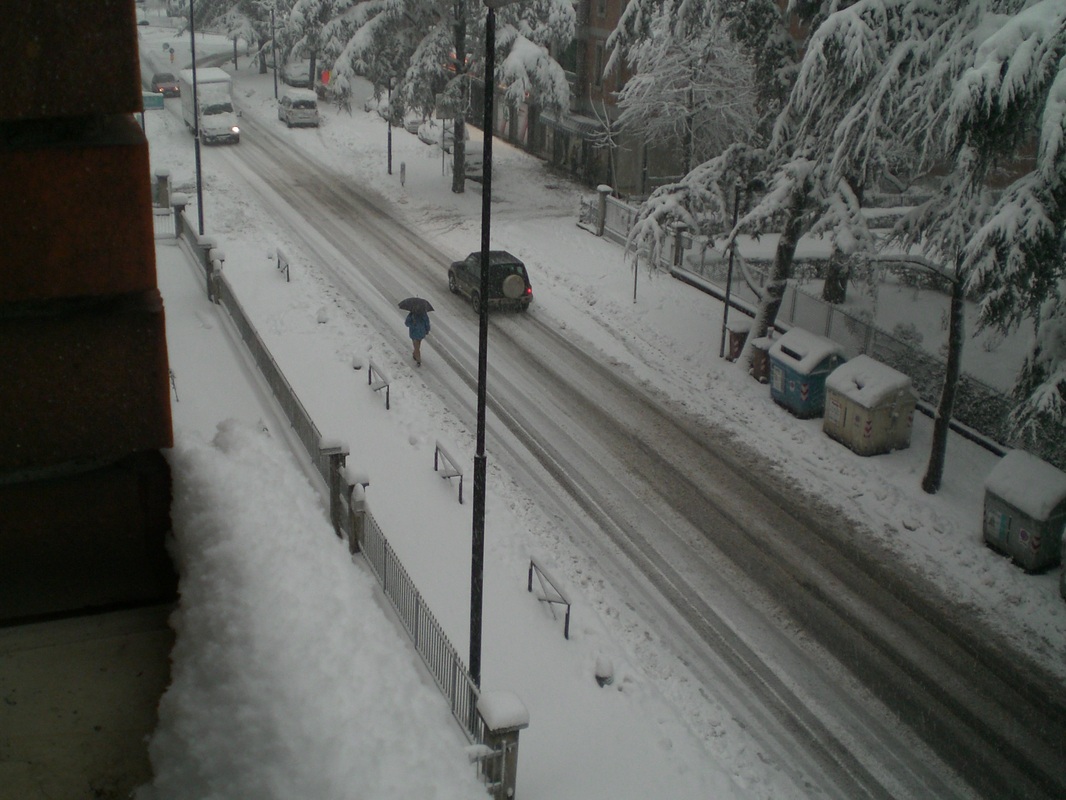
3) Because so few books seem to be set in Italy in the winter.

Picture
4) Because Bologna is a city you've a) never been to, b) been to and want to see again or c) always wanted to visit.

Now's your chance!

5) Because you want to read a new author! I'm new! I'm an author! It's PERFECT!
6) Because books are always great gifts! At least, they're great gifts for book lovers.
Picture
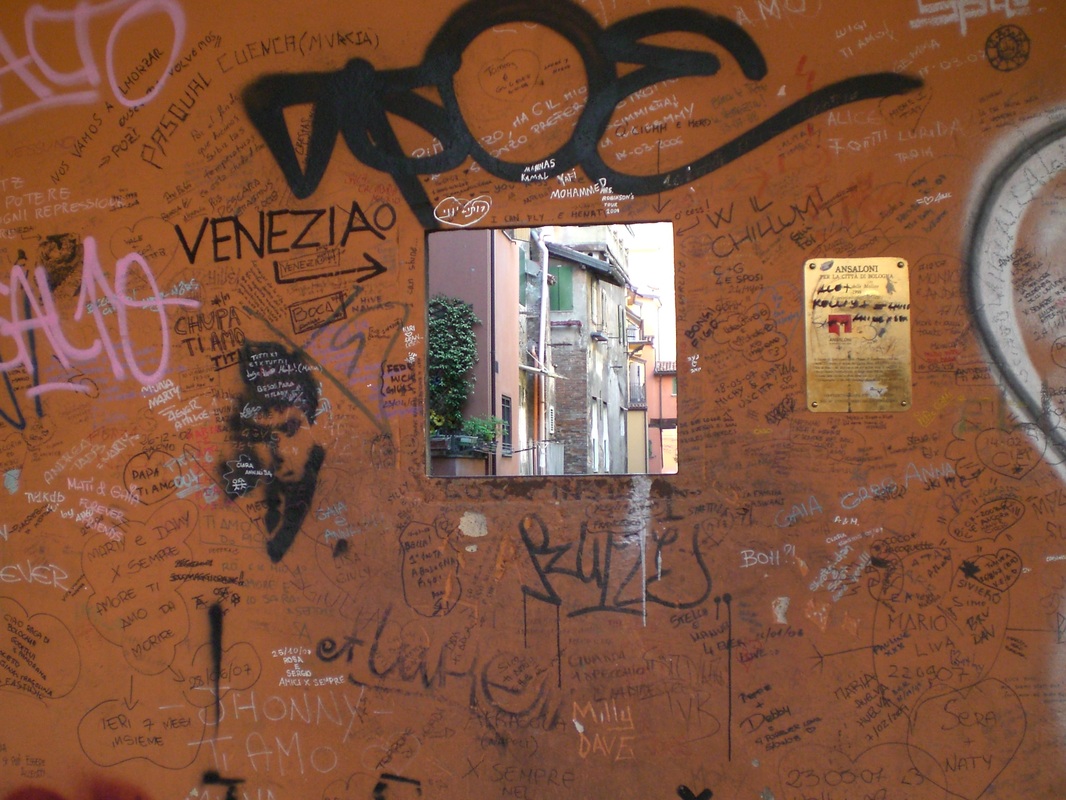
7) Because you want to know what this is.

8) Because you want to read more of this excerpt:

Fifteen minutes later, that man was smiling at her again. His eyes tickled at her periphery like so many nimble fingers until she allowed herself to sneak a few peeks at him on the sly, using the reflection in the window. In only a few minutes, she noted he was Jacopo’s exact opposite in many ways.

He’s the other side of the same coin, though, I’ll bet.

Still, he was easy on the eyes, with a strong jaw, dark eyes and dark, boyish curls which fell along his brow. His clothes weren’t fancy, but simple in design. A pale blue chambrayshirt peeked out from beneath his red scarf.There were no fancy designer labels, no ostentatious, trendy affectations on view.

She liked that.

When he crossed his legs, she risked a direct look at him and smiled in spite of herself. His shoes were black running shoes, rather scuffed up at that. She knew too well the premium Italians placed on footwear; it was nice to see someone who wasn’t completely fussy about his appearance for a change.

When he drew out an eyeglass case from the inside pocket of his coat, she turned to the reflection in the window once more. He perused a copy of La Repubblica—not Libero, not La Padania—so she was reasonably sure he wasn’t from Veneto. Despite her fugue, this thought made her smile again. A glimpse of his dark eyes straying in her direction, followed by his own secretive smile, sent a pleasant shimmy down her spine.


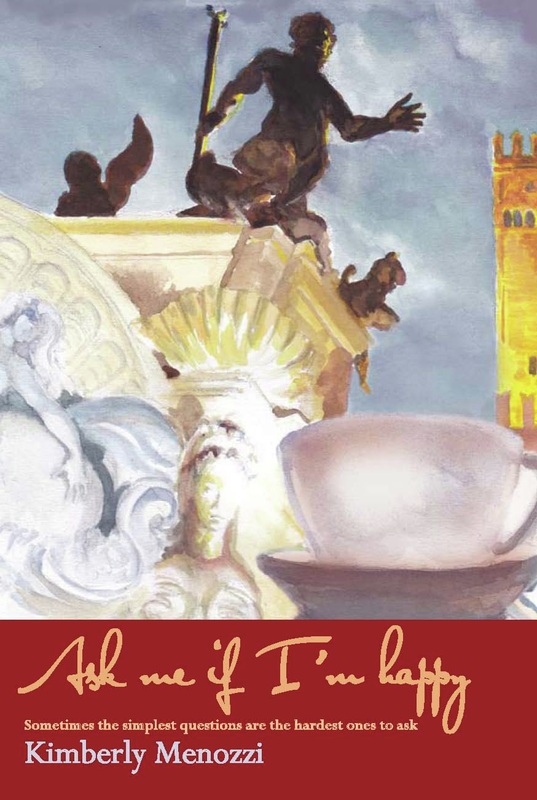
9) Because the cover intrigues you. Does it not?
Picture
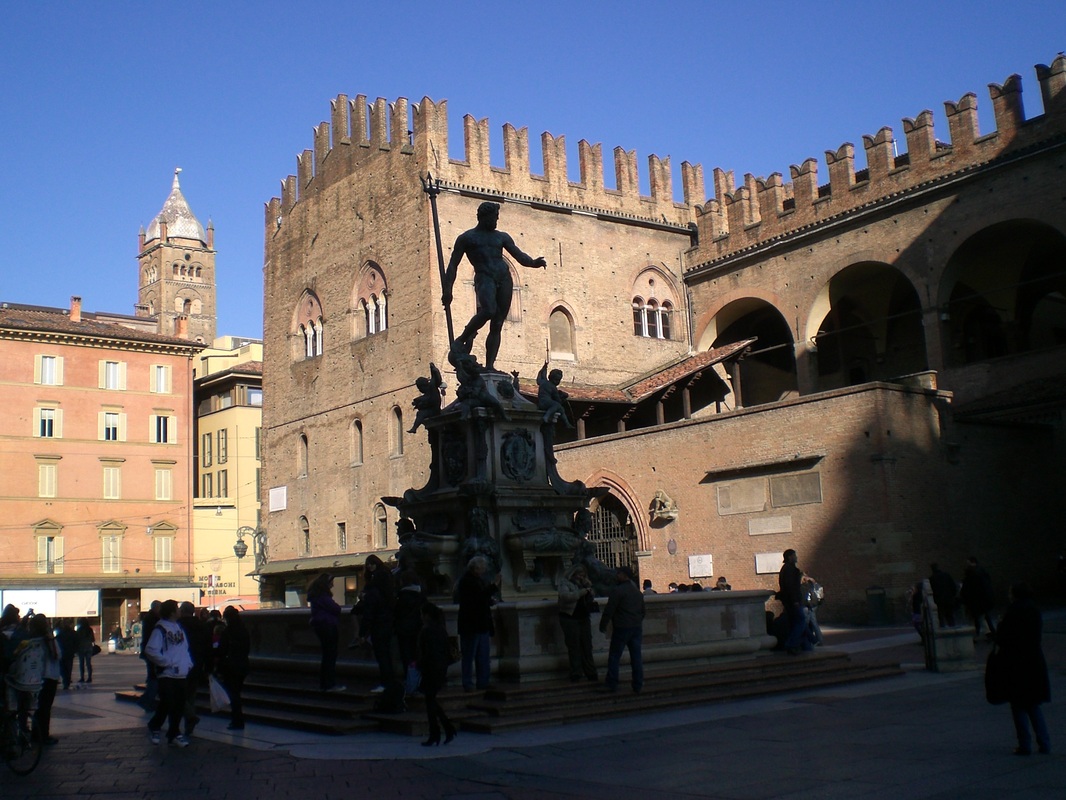
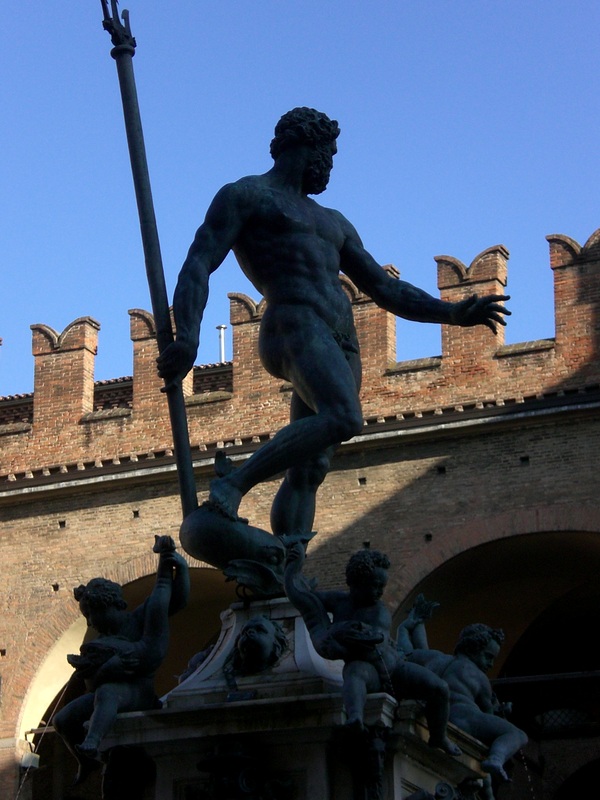
10) Because you recognize the statue on the cover.
Or because you don't.
11) Because it's available in paperback, as well as e-book!
12) Because you're looking for an emotionally satisfying read. One which has made several men tear up, and several women fall in love with the male lead.
Picture
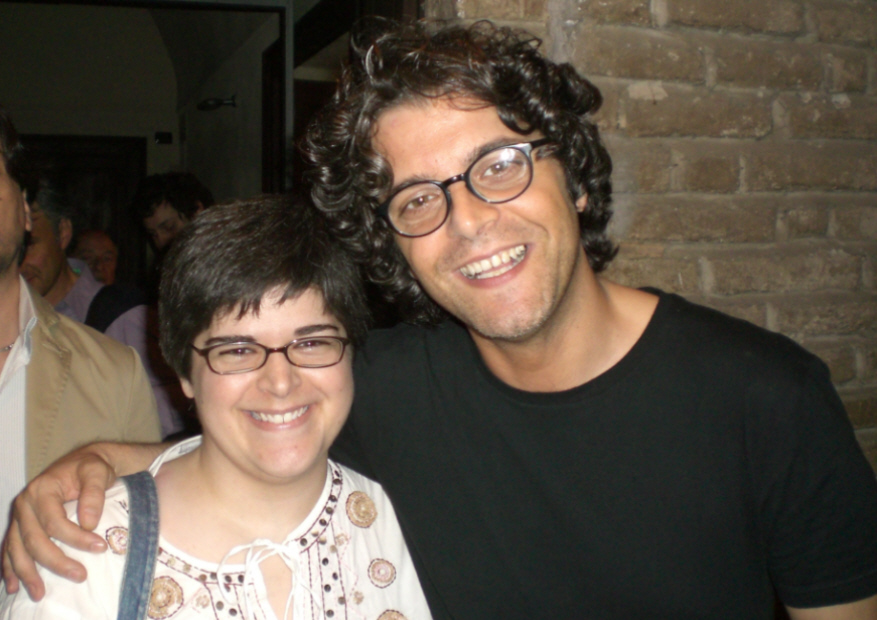
Me, with Samuele Bersani. I got the novel's title from his song.
13) Because when you buy a copy of Ask Me if I'm Happy, I'm this happy!


And with that, I guess there's not much more I can add, is there?


I mean, I've done my best to convince you. The rest is in your hands from here on out.


But for the ladies in the readership, I have just one more thing to add.


Because I found inspiration in so many places.


Including here:
Picture
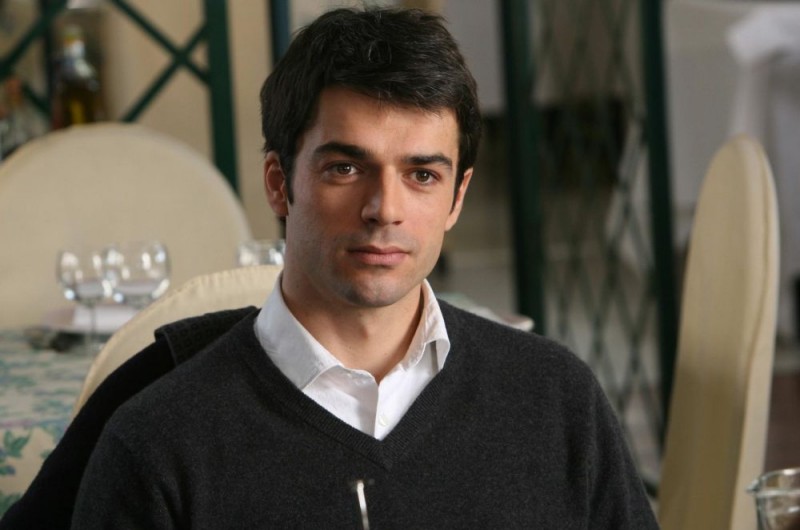
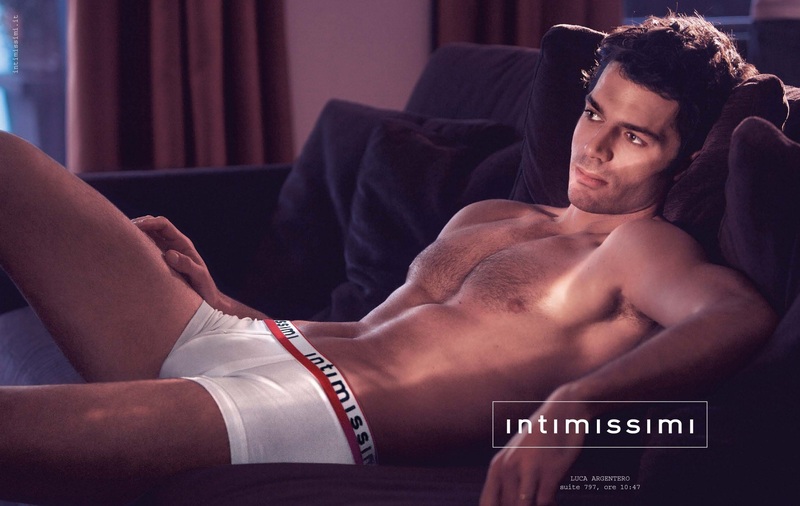
Luca Argentero. Italian actor and sometime inspiration for the character of Davide.
Ciao for now!
 
 
As I start to write this, it is 10:30 in the morning. In twenty-four hours I'll be waiting to board my flight (a whole two-hour journey) to London out of Bologna.

My bags are almost completely packed (just a few items to go).

I've read and re-read my excerpts for the readings until I'm nearly sick of seeing 'em.
I've decided on my outifits for the launch and the readings. (Dressy, not fussy; quite "me", really.)
When Alle and I arrive in London, we'll find my mother and my friend who are waiting for us there (their flight gets in earlier), and we'll get them to the hotel. We'll rest, have dinner, and then?

My nerves will start kicking in and I'll become a chattering, blithering idiot, most likely. LOL! Not that anyone can tell the difference, I reckon.

No, I'm sure we'll have a quick toddle around our neighborhood before we retire to our rooms, chat and then get some rest. Thursday morning, to one degree or another, my London adventure will begin. I hope things go smoothly, and that I don't actually make a fool of myself in front of anyone.

To quote the Grateful Dead (and when you think London, don't you just think of Jerry and the gang?) "What a long, strange trip it's been..." I mean, I started out writing this little short story which I initially meant to be just for me and mine, and instead it became something much, much bigger - both literally and figuratively.

In the end, a story about Bologna is taking me to London, and then back home again where the real world will intrude once more - and regularly at that. I'll have to look on the next ten days as something out of the norm, and cross my fingers and hope and wish and pray that all goes as well as it can.

And then I'll have to knuckle down and get to writing again. I want to see where the next story takes me.
 
 
and then I'll be in London to prepare for the launch of Ask Me if I'm Happy! That I'm excited is no surprise to anyone, I'm sure. This is my first published novel, and so I'm experiencing a lot of things for the first time:

Interviews - initially by my Diiarts cohorts, and soon by others.

Guest Blogs - I did one a couple of years ago for Shelley Munro, but now I've done two for Diiarts, as well. You can read them here and here.

People asking for my autograph - Honestly! It's so strange, even if they are/were friends and/or acquaintances before the fact. I'll be doing a lot of signing in London, too, on the pre-orders of Ask Me... and of course at the launch.

Public readings - I did one here in Italy last June at the End of the School Year party at the language school where I work, and that was fun - and a little nerve-wracking, too. In November, I'm scheduled to do three readings: one at the launch and two in Oxford (at the Oxford International Women's Festival Poetry Competition and at the Into the Desert Live event, respectively)!

I was in London one year ago, too. I went for the launch of Diiarts' first four titles and I had a wonderful time. Alas, it was only for an all-too-brief weekend, but Alessandro and I had fun with our friends while we were there.

This time around, my mother and my best friend will be in attendance, and with a little luck, many of my online mates will be there for the launch, too. I'll get to meet my cp (critique partner), Nell Dixon in person for the first time, and I can't wait for our lunch date together!

My appearances in Oxford were facilitated by a longtime supporter, too - the lovely and talented Dan Holloway - and I can't wait to meet him, too!

With luck, I'll also be meeting many of my longtime Authonomy and Facebook friends, and I think this event will be even more exciting as a result of finally getting to be with them, in person.

All the good wishes I've received so far, all the encouragement from friends and acquaintances are only now starting to make this feel real. I can't even begin to imagine yet how it's going to feel once I'm actually there, in London, sitting behind that table and signing copies of Ask Me if I'm Happy - and, yes, answering that very question over and over and over again - but I'm sure it'll feel good.

And I know what my answer will be.